

Thymosin Alpha 1: Buy, Dosage & Thymosin Alpha-1 Immune Modulation Guide
If you have spent any time researching peptides for immune system support, you have almost certainly met the name thymosin alpha 1, a key component of the thymosin fraction. This naturally occurring polypeptide has created major attention across the scientific, clinical, bodybuilding, anti-aging, and biohacking communities for its notable power to enhance immune function, promote T-cell maturation, accelerate healing processes, and tune swelling responses.
Originally isolated from the thymus gland — the small organ behind your breastbone that serves as the training ground for your immune system's most key soldiers — thymosin alpha 1 has been studied for over four decades and is now approved in more than 35 countries worldwide.
To understand why this peptide matters, consider what happens inside your body every single day. Your immune system faces a relentless barrage of threats: viruses, bacteria, fungal pathogens, and even rogue cells that could become cancerous. The thymus gland acts as a military academy for your T-cells (also called T-lymphocytes), transforming immature precursor cells into fully trained immune warriors capable of identifying and destroying these threats. Ta1 is one of the key peptides the thymus produces to orchestrate this entire process.
Think of it as the drill sergeant that turns raw recruits into elite special forces operators — without it, your immune system's most powerful defenders never reach their full possible.
This article provides full, research-based data on the thymosin alpha 1 peptide, including how it works in the body, what the clinical evidence actually shows, its documented benefits and risks, proper dosage protocols, and why scientists and clinicians around the world continue to study it. This data is educational only and is not medical advice.
Peptides can be prescription-only or research-grade compounds. Anyone considering peptide-related therapies must consult a licensed medical professional. People under 18 should not use peptides. This article is strictly for educational and informational purposes and does not constitute medical advice, diagnosis, or treatment recommendations.
Thymosin Alpha 1 at a Glance
The compound (Ta1, also known as TA1 peptide) is a 28-amino-acid peptide naturally produced by the thymus gland that functions as a powerful immune modulator. Its synthetic form, thymalfasin (brand name Zadaxin), is approved in over 35 countries for treating hepatitis B and enhancing immune function in immunocompromised patients.
- What it is: A naturally occurring thymus peptide — 28 amino acids, molecular weight ~3,108 Da
- How it works: Activates TLR-2 and TLR-9 on dendritic cells, promotes T-cell maturation (CD4+/CD8+), stimulates NK cells, increases IL-2, IL-12, IFN-a, and IFN-?
- Proven benefits: Enhanced immune response, reduced sepsis mortality (9% reduction), improved vaccine efficacy, hepatitis B/C support, anti-tumor properties
- Safety profile: Well-tolerated — most common side effects are mild injection-site reactions; rare: fever, fatigue, muscle aches
- Standard dosage: 1.6 mg subcutaneously, twice per week (clinical standard)
- Regulatory status: FDA orphan drug designation for melanoma, hepatitis B, DiGeorge syndrome, HCC; approved in 35+ countries
- Bottom line: One of the most extensively studied immune peptides with a strong safety record — always consult a qualified medical professional
How Does Thymosin Alpha 1 Work? Mechanism of Action Explained
Grasp what thymosin alpha 1 does at the cell-level level reveals why researchers and clinicians have been so interested in this peptide for decades. Unlike many compounds that simply "boost" the immune system in a vague, nonspecific way, Ta1 operates through well-characterized, scientifically documented pathways that target the immune system's most basic processes.
The Thymus Gland: Your Immune System's Training Academy
The thymus gland is a small, butterfly-shaped organ located behind the sternum and between the lungs. Despite its modest size, it plays an outsized role in immune health. The thymus is where immature T-cells — produced in the bone marrow — undergo rigorous training and selection. During this process, T-cells learn to distinguish between the body's own healthy cells and foreign invaders like viruses, bacteria, and cancerous cells. Only T-cells that pass this training are released into the bloodstream as fully functional immune defenders.
Here is the key problem: the thymus begins to shrink (a process called thymic involution) starting in puberty, and by age 60, it has lost about 80–90% of its functional tissue. This decline directly correlates with the age-related weakening of the immune system — a phenomenon known as immunosenescence.
As the thymus shrinks and thymus function declines, it produces fewer thymus peptides including this peptide, which means fewer new T-cells are trained and deployed. This is one of the main reasons why older adults are more susceptible to infections, respond less effectively to vaccines, and have higher rates of cancer.
Toll-Like Receptor Activation: The Molecular Switch
The compound functions mainly as an agonist (activator) of toll-like receptor 2 (TLR-2) and toll-like receptor 9 (TLR-9) on both myeloid and plasmacytoid dendritic cells — the professional antigen-presenting cells of the immune system. When thymalfasin binds to these receptors, it triggers a cascade of intracellular immune signaling pathways that start the adaptive immune response. This is the cell-level equivalent of flipping a master switch that powers up the entire immune defense network.
By targeting TLRs, Ta1 boosts the adaptive immune response essential for fighting chronic viral infections like Epstein-Barr virus, bacterial, and fungal infections as well as cancers. It also boosts posterior humoral immunity — the arm of the immune system responsible for producing antibodies. This dual start of both cellular and humoral immunity is what makes this immune peptide such a versatile immunomodulatory agent.
T-Cell Maturation and Cytokine Production
The immune response of the peptide is driven by its power to elevate the maturation of T-cells into CD4+ helper T-cells and CD8+ cytotoxic T-cells. CD4+ cells coordinate the overall immune response by signaling other immune cells, while CD8+ cells directly kill virally infected cells and tumor cells. Ta1 also directly starts natural killer (NK) cells, which provide a rapid first-line defense against infections and cancer.
Beyond cell activity boost, this thymic peptide greatly increases the production of key cytokines — the chemical messengers of the immune system. Research has showed that it boosts levels of interleukin-2 (IL-2), interleukin-10 (IL-10), interleukin-12 (IL-12), interferon-alpha (IFN-a), and interferon-gamma (IFN-?). At the same time, it has a negative effect on pro-swelling pro-inflammatory cytokines like IL-1ß and tumor necrosis factor-alpha (TNF-a), which helps decrease too much swelling responses.
This balanced approach — the hallmark of thymosin alpha-1 immune modulation — enhancing protective immunity while dampening harmful swelling — is what distinguishes the immune modulator as a true immunomodulator, a key concept in immunopharmacology, rather than a simple immune stimulant.
Antigen Presentation and Viral Replication Suppression
Ta1 also increases the prominence of major histocompatibility complex I (MHC-I) molecules and viral antigens on the surface of infected cells. This is critically important because MHC-I molecules act like "wanted posters" that display fragments of intracellular pathogens on the cell surface, allowing CD8+ T-cells to identify and destroy infected cells.
By enhancing this antigen presentation process, this compound makes it easier for the immune system to find and remove threats that would otherwise hide inside cells. Also, research has shown that thymalfasin directly decreases viral replication, providing a dual mechanism of antiviral defense.
What Are the Proven Thymosin Alpha 1 Benefits?
The thymosin alpha 1 benefits documented in peer-reviewed scientific literature span an impressive range of clinical uses. Unlike many peptides that rely mainly on lab (animal or cell culture) data, Ta1 has been tested in many human clinical trials and real-world clinical settings, providing a robust evidence base that few other peptides can match, including extensive in vivo studies.
1. Enhanced Immune System Function
The most well-set up benefit of this peptide is its power to restore and enhance immune function in people facing immunosuppression, a finding supported by many in vitro studies. Clinical studies have showed that the compound therapy tunes and partially normalizes T-lymphocyte numbers and function in peripheral blood. T-cell rosette percentages can increase in patients with T-cell lymphopenia — a condition where the body has dangerously low levels of T-cells.
For patients with immune deficiency or clinical immunosuppression, treatment with thymalfasin serves as a stimulus for IL-2 receptor expression and IL-2 internalization, effectively restarting the immune system's communication network through targeted peptide therapy.
Acting through toll-like receptors in both myeloid and plasmacytoid dendritic cells, Ta1 boosts signaling pathways and starts the production of immune-related cytokines. This makes it very valuable for elderly patients experiencing immunosenescence and for people whose immune systems have been compromised by disease, chemotherapy, or chronic stress. Overall, research consistently shows that this immune peptide improves immune system function without causing the adverse events often linked with more aggressive immunotherapies.
2. Reduced Mortality in Severe Sepsis
One of the most compelling clinical findings involves the use of the peptide in patients with severe sepsis — a life-threatening condition where the body's response to infection causes widespread organ damage. A large-scale, multicenter, single-blinded, randomized controlled trial conducted across six tertiary teaching hospitals in China showed that patients getting Ta1 had a 9.0% lower mortality rate than the control group.
Patients admitted to the intensive care unit with severe sepsis got under-skin injections of 1.6 mg of this thymic peptide twice daily for five days, followed by once daily thereafter. The major reduction in mortality due to multiple-organ failure — the main cause of death in sepsis — represents one of the strongest pieces of clinical evidence supporting the immune modulator's treatment value.
3. Improved Vaccine Efficacy
The role of Ta1 in boosting T-cell dependent antibody production has made it a promising vaccine adjuvant — a substance that enhances the body's immune response to a vaccine. Clinical studies have shown very promising results in elderly and immunocompromised patients who often respond poorly to standard vaccination.
Research by Carraro et al. showed that this compound enhances the immunogenicity of the influenza vaccine in hemodialyzed patients, a population known for severely weakened immune responses. The use of thymalfasin as an adjuvant to the influenza vaccine has shown consistent gains in antibody titers and seroconversion rates, suggesting it could help protect vulnerable populations who need vaccines the most but benefit from them the least.
4. Antioxidant and Tissue-Protective Effects
Beyond its immunomodulatory properties, Ta1 has showed major protective effects against oxidant damage. By notably amplifying the activity of catalase and supporting skin health through reduced oxidative damage, superoxide dismutase (SOD), and glutathione peroxidase — the body's main antioxidant enzymes — this peptide reduces the production of reactive oxygen species (ROS) and prevents oxidant damage to hepatic (liver) tissue.
This antioxidant capacity, which supports collagen production and connective tissue integrity, also extends to pancreatic protection, where the thymic peptide helps ameliorate pancreatic damage and the resulting diabetes by reducing malondialdehyde production and improving the function of SOD and catalase.
5. Anti-Tumor Properties
Ta1 has showed the power to restrain tumor growth through two main mechanisms: boosting the immune system's anti-cancer surveillance and employing direct anti-proliferative activities on tumor cells. Research has shown that Ta1 can decrease proliferation and induce apoptosis (programmed cell death) in human leukemia, non-small cell lung cancer, melanoma, breast cancer, and other cancer cell lines.
A study by Guo et al. showed that this peptide suppresses proliferation and induces apoptosis in breast cancer cells through PTEN-mediated blocking of the PI3K/Akt/mTOR signaling pathway — one of the most important pathways in cancer biology. Multiple clinical studies have shown promising results for the use of the compound in patients with metastatic melanoma, head and neck carcinoma, lung cancer, breast cancer, and hepatocellular carcinoma.
Thymosin Alpha 1 Benefits Summary
- Immune restoration: Normalizes T-cell counts and function in immunocompromised patients without adverse events
- Sepsis survival: 9% mortality reduction in multicenter randomized controlled trial across six hospitals
- Vaccine enhancement: Improves antibody response in elderly and immunocompromised populations
- Antioxidant protection: Amplifies catalase, SOD, and glutathione peroxidase activity to prevent tissue damage
- Anti-tumor activity: Induces apoptosis in cancer cell lines via PI3K/Akt/mTOR pathway inhibition
- Anti-inflammatory balance: Increases protective cytokines while reducing harmful IL-1ß and TNF-a
Clinical Applications: From Hepatitis to Cancer Therapy
The synthetic form of thymosin alpha 1, thymalfasin (marketed as Zadaxin), has been extensively tested and is widely used in clinical and treatment settings around the world. The breadth of its clinical uses reflects the basic importance of immune tuning in treating many diseases, ranging from respiratory issues like cystic fibrosis to chronic viral loads.
Hepatitis B Treatment
The safety and effect of thymosin alpha 1 in patients with chronic hepatitis B have been validated through multiple clinical trials. When tested as monotherapy, Ta1 showed a complete virological response rate (clearance of serum HBV DNA and hepatitis B e antigen) of 40.6% in patients getting 1.6 mg under-skin injections twice weekly for 26 weeks, and 26.5% in patients getting the same regimen for 52 weeks.
A study by Sugahara et al. found that patients treated with this peptide showed overall gain in serum ALT levels, with ALT levels normalizing in 42.9% of patients and complete disappearance of serum HBV DNA in 28.6% of patients. The compound has also been tested in mix with interferon-alpha and nucleoside analogs, often showing superior results compared to monotherapy.
Hepatitis C Support
While thymalfasin as monotherapy does not appear enough for treating hepatitis C infection, mix therapy with pegylated interferon alpha 2a has shown the power to effectively suppress viral replication in hepatitis C patients. A meta-test by Sherman showed the superiority of combining Ta1 with interferon alpha compared to interferon monotherapy alone. Importantly, this immune peptide was well tolerated in these mix regimens, with no major adverse effects saw beyond those attributable to interferon therapy.
HIV Infection Management
The peptide, interferon alpha, and zidovudine mix therapy has been well-tolerated in HIV patients. Research has shown that Ta1 enhances the function and increases the number of CD4+ T-cells while decreasing viral load. It influences thymic T-cell output and can dramatically increase levels of signal joint T-cell receptor excision circles (sjTREC) in patients with advanced HIV disease — a marker showing new T-cell production from the thymus.
Prolonged use of high-dose this thymic peptide can be more effective, and the safety and effect of the immune modulator in mix with highly-active antiretroviral therapy (HAART) for boosting immune mixing has been set up in clinical studies.
Cancer Therapy Support
Clinical studies show that Ta1 has been used in patients with different malignancies, reducing the toxicity of chemotherapy and improving quality of life. An increase in the numbers and functions of immune cells and a decrease in chemotherapy-induced toxicity were consistent findings across studies. In general, fewer infections occurred during chemotherapy, neurotoxicity decreased, and quality of life improved.
This compound in mix with chemotherapy or radiation can improve survival rates in patients with non-small cell lung cancer — which accounts for 85% of all lung cancers and is known for its low responsiveness to chemotherapy alone.
Mold Toxicity and Fungal Infections
This thymic peptide has showed the power to prime dendritic cells and enhance Th1 and control T-cell (Treg) responses so that swelling is balanced while creating an effective antifungal response. The Th1 response starts production of Th2 cytokines including IFN-?, IL-2, IL-12, and IL-18, boosting phagocytic activity. This leads to the production of cytotoxic CD4+, CD8+, and T-cells along with opsonizing antibodies, creating a protective effect against fungal pathogens — making thymalfasin a subject of interest for treating mold toxicity and invasive fungal infections.
Psoriatic Arthritis and Autoimmune Conditions
Evidence is growing that diseases characterized by deregulation of the immune system and swelling, such as psoriatic arthritis, are linked with serum levels of Ta1 greatly lower than those of healthy people. Research by Pica et al. found that this peptide use may help regulate immunity and reduce swelling in patients with psoriatic arthritis, consistent with its role as a regulator of immunity, tolerance, and swelling.
This finding has sparked interest in the thymic peptide as a possible treatment option for peptides for autoimmune diseases and complex conditions like Lyme disease, though more research is needed to set up definitive clinical protocols.
Table 1: Summary of Key Clinical Studies on Ta1
| Study / Reference | Year | Application | Key Finding | Evidence Level |
|---|---|---|---|---|
| Wu et al. (ETASS) | 2013 | Severe Sepsis | 9% lower mortality in treatment group vs. control in multicenter RCT | RCT |
| Sherman et al. | 2010 | Hepatitis B | 40.6% complete virological response; enhanced IL-2 receptor expression | Clinical Trial |
| Carraro et al. | 2012 | Vaccine Adjuvant | Enhanced immunogenicity of influenza vaccine in hemodialyzed patients | Clinical Trial |
| Guo et al. | 2015 | Breast Cancer | Suppressed proliferation via PTEN-mediated PI3K/Akt/mTOR inhibition | Preclinical |
| Matteucci et al. | 2017 | HIV | Significantly increased sjTREC levels in advanced HIV patients | Clinical Trial |
| Costantini et al. | 2019 | Oncology | Promising results in melanoma, lung, breast, and hepatocellular carcinoma | Review |
| Pica et al. | 2018 | Psoriatic Arthritis | Low serum Ta1 levels correlated with disease; supplementation may help | Observational |
| Sugahara et al. | 2002 | Hepatitis B | ALT normalized in 42.9%; HBV DNA cleared in 28.6% of patients | Clinical Trial |
| Li et al. | 2010 | HIV / Antioxidant | Increased CD4+ count; reduced oxidative damage via SOD and catalase | Clinical Trial |
Thymosin Alpha 1 vs. Thymosin Beta 4: Key Differences
One of the most common questions in peptide research is how thymosin alpha 1 compares to thymosin beta 4 (TB-4). While both peptides are secreted by the thymus and belong to the broader thymosin family, they have vastly different chemical compositions, natural functions, and clinical uses. Grasp these differences is essential for anyone researching thymus peptides and their possible roles in health and healing.
Ta1 is a 28-amino-acid peptide that mainly functions as an immune modulator. It rebuilds and enhances the immune system by promoting cell-mediated immunity — the branch of the immune system that uses T-cells and other immune cells to directly attack infected or cancerous cells. Its clinical relevance spans hepatitis treatment, cancer immunotherapy, sepsis care, and vaccine boost. This peptide works by starting toll-like receptors on dendritic cells, promoting T-cell maturation, and boosting cytokine production.
Thymosin beta 4, in contrast, is a 43-amino-acid peptide that belongs to the family of actin monomer-sequestering proteins. Its main role is regulating unpolymerized actin in soft tissues and keeping free G-actin monomers in the cytoplasm — functions that are basic to cell migration, wound healing, and tissue repair. While thymosin beta 4 does have some immune-related properties (very a strong response to virally infected cells), its main clinical interest lies in tissue healing, wound healing, tendon and ligament repair, and anti-swelling effects. TB-4 and related fragments like TB-500 are linked with cellular repair processes, tissue healing, and swelling balance in research settings.
In simple terms: the compound is the immune commander that trains and deploys your body's defense forces, while thymosin beta 4 is the field medic that repairs damaged tissue and helps cells migrate to injury sites. Both are valuable, but they serve fundamentally different purposes.
Thymosin Alpha 1 vs. Other Immune Peptides: A Detailed Comparison
To help contextualize where thymosin alpha 1 fits within the broader landscape of immune-tuning peptides, the following comparison table provides a side-by-side test of the most often discussed compounds in this category.
Table 2: Ta1 vs. Other Immune-Related Peptides
| Feature | This peptide (Ta1) | Thymosin Beta 4 (TB-4) | Thymalin | BPC-157 (Body Protection Compound) |
|---|---|---|---|---|
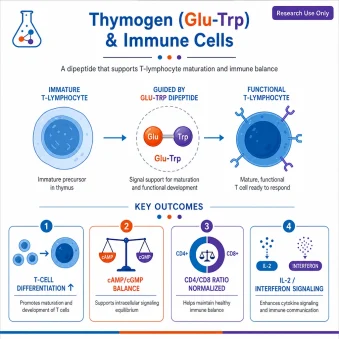
| Amino Acids | 28 | 43 | Dipeptide (Glu-Trp) | 15 |
| Source | Thymus gland | Thymus gland | Thymus extract | Gastric juice (synthetic) |
| Primary Function | Immune modulation | Tissue repair / wound healing | Immune support | Tissue healing / GI protection |
| Mechanism | TLR-2/TLR-9 activation; T-cell maturation | Actin sequestration; cell migration | Thymic hormone regulation | Nitric oxide system; growth factors |
| Clinical Trials | Extensive | Moderate | Limited | Limited (animal) |
| Regulatory Status | Approved in 35+ countries; FDA orphan drug | Research / clinical trials | Approved in Russia | Not approved; research only |
| Administration | Subcutaneous injection | Subcutaneous injection | Intramuscular injection | Subcutaneous / oral (research) |
| Safety Profile | Well-established | Generally safe | Limited data | Limited human data |
| Best For | Immune deficiency, infections, cancer support | Injury recovery, wound healing | General immune support | GI healing, tissue repair |
Thymosin Alpha 1 in Peptide Stacks: Wolverine Stack & Glow Stack
Thymosin Alpha 1 is frequently incorporated into curated peptide stack protocols by researchers exploring synergistic immune and recovery combinations. Two of the most discussed research stacks in the peptide community include the wolverine stack peptide protocol and the glow stack peptide protocol.
The Wolverine Pack Peptide Stack
The wolverine pack peptide stack is a research combination protocol that pairs thymosin alpha 1 with BPC-157 (body protection compound) and TB-500 (thymosin beta 4 fragment). The rationale behind this stack centers on the complementary roles each peptide plays: Ta1 provides thymosin alpha-1 immune modulation and T-cell support, BPC-157 promotes healing processes in soft tissues and the gastrointestinal tract, and TB-500 enhances tendon and ligament repair through actin regulation and cell migration. Together, researchers theorize that this combination may support comprehensive immune function and accelerated tissue recovery.
The typical wolverine stack dosage used in research protocols combines thymosin alpha 1 at 1.6 mg twice per week with BPC-157 at 250–500 mcg daily and TB-500 at 2.5–5 mg twice per week — though precise dosing must always be determined by a licensed healthcare provider based on the individual’s health profile and research objectives.
The Glow Stack Peptide Protocol
The glow stack peptide protocol focuses on skin health, collagen synthesis, and anti-aging properties. It typically combines GHK-Cu (a copper peptide known for collagen production and skin regeneration) with thymosin alpha 1 for its antioxidant and immune-modulating properties. This combination is theorized to support skin health by reducing oxidative stress that accelerates skin aging, while GHK-Cu simultaneously promotes collagen synthesis in dermal tissue. The combination may also benefit soft tissues more broadly by supporting both immune-mediated repair and direct healing processes at the cellular level.
These peptide stack protocols are discussed in research and biohacking communities but have not been formally evaluated in clinical trials as combination therapies. All dosing decisions, including wolverine stack dosage and glow stack peptide protocols, must be supervised by a qualified healthcare provider. Never self-administer peptide stacks without professional medical oversight.
Thymosin Alpha 1 Dosage, Administration & How Long to Take
Grasp the proper thymosin alpha 1 dosage is key for anyone considering this peptide under medical supervision. The dosing protocols used in clinical research provide a well-set up framework, though personal dosing should always be found by a licensed healthcare provider based on the specific condition being treated and the patient's unique health profile.
Standard Clinical Dosing Protocol
Ta1 is often found in injectable form and is gave via under-skin injection — meaning it is injected just beneath the skin, usually in the abdomen or thigh. The standard clinical dosage that has been used across most published research is 1.6 mg gave subcutaneously twice per week. This is the dosing regimen that has been most extensively studied and has the strongest safety data supporting it.
For more acute conditions, dosing protocols may be intensified. In the landmark sepsis trial (ETASS), patients got 1.6 mg twice daily for five days, followed by once daily thereafter. Single doses in clinical studies have ranged from 0.8 to 6.4 mg, while multiple-dose regimens have ranged from 1.6 to 16 mg over five to seven days. For HIV patients, prolonged use of high-dose this peptide can be more effective than shorter courses.
How Long Does It Take for Thymosin Alpha 1 to Work?
The question of the compound how long to take depends entirely on the condition being treated and the personal patient's response. In clinical studies for sepsis, measurable gains in T-cell counts were saw within 7 days of starting treatment. For hepatitis B, virological response was often assessed after 24 to 52 weeks of treatment.
Immune-enhancing effects when used as a vaccine adjuvant can be measured within 2 to 4 weeks. Most clinical protocols recommend a minimum treatment duration of several weeks to months, with the specific timeline found by the treating physician based on the condition and patient response.
Storage and Handling
Proper storage is essential for keeping the potency of thymalfasin. The peptide should be stored at -20°C for long-term storage. Freeze-dried (freeze-dried) Ta1 may remain stable for up to three weeks at room heat; however, for long-term storage, it should be kept below -18°C in desiccated form.
When mixed for use, it may be stored at 4°C for two to seven days. For longer storage after mixing, it is advised to combine it with a carrier protein such as 0.1% human serum albumin or bovine serum albumin. Repeated freezing and thawing should be avoided as it can degrade the peptide.
Standard dose: 1.6 mg subcutaneously, twice per week
Acute conditions: 1.6 mg twice daily for 5–7 days, then once daily
Dose range: Single 0.8–6.4 mg; multiple 1.6–16 mg over 5–7 days
Key: All dosing must be found and supervised by a licensed healthcare provider. Never self-give peptides without medical oversight.
Side Effects, Risks & Safety Considerations
One of the most important questions anyone researching this peptide asks is: "Is thymosin alpha 1 safe?" The answer, based on decades of clinical research and real-world use in over 35 countries, is that thymosin alpha 1 has one of the most favorable safety profiles of any peptide studied to date. However, like any biologically active compound, it is not without possible risks, and proper medical oversight is essential.
Documented Side Effects
Thymalfasin, the synthetic form of Ta1, is often well tolerated across all clinical studies. The this peptide side effects documented in the medical literature are predominantly mild and transient:
-
1Injection Site Reactions (Most Common)
The most often reported side effects are local irritation, redness, or mild discomfort at the injection site. These reactions are often mild, self-limiting, and resolve within hours to days without intervention. They are consistent with the under-skin injection route and are not unique to the compound.
-
2Systemic Reactions (Rare — Primarily in Combination Therapy)
In clinical trials where thymalfasin was combined with interferon 2b, rare side effects included fever, fatigue, muscle aches, nausea, vomiting, and neutropenia. However, these effects were largely attributable to the interferon component rather than thymalfasin itself, as they were not greatly different from those saw with interferon alone or placebo.
-
3Contraindications
Thymalfasin is contraindicated in patients with hypersensitivity to Ta1 or any components of the injection form. Due to its immunomodulatory action, it is also contraindicated in immunosuppressed patients such as organ transplant recipients — unless the benefits of treatment clearly exceed the risks. The concern is that enhancing immune function in transplant patients could trigger organ rejection.
-
4Interactions and Precautions
While this immune peptide has been safely combined with many other therapies (interferon, antiretrovirals, chemotherapy agents), possible interactions with existing medical conditions or drugs are always possible. Patients with autoimmune conditions should exercise specific caution, as enhancing immune activity could theoretically exacerbate autoimmune responses in some people. A thorough medical evaluation is essential before starting therapy.
Never try to get, self-give, or dose peptides without a licensed healthcare provider. The peptide is a powerful natural agent that needs proper medical oversight for safe and effective use. People under 18 should not use peptides. Always verify the source, purity, and proper storage of any peptide product with your healthcare provider.
Regulatory Status: FDA, International Approvals & Availability
Grasp the control landscape surrounding thymosin alpha 1 is important for anyone researching this peptide. The control status varies greatly by country and intended use.
FDA Status in the United States
The FDA has granted orphan drug designation to thymalfasin (Zadaxin) for the treatment of four specific conditions: malignant melanoma, chronic active hepatitis B, DiGeorge anomaly with immune defects, and hepatocellular carcinoma. Orphan drug designation provides certain incentives for the growth of drugs for rare diseases but does not constitute full FDA approval for general use.
In the United States, thymosin alpha 1 is mainly available through compounding pharmacies with a physician's prescription, and it is also sold under "for research use only" labels for laboratory research purposes.
International Approvals
Thymalfasin is approved in over 35 countries worldwide for the treatment of hepatitis B and as an immune enhancer in many clinical settings. It has been very widely adopted in Asian countries, where it has been used extensively in clinical practice for hepatitis treatment, cancer immunotherapy support, and immune boost.
China's National Health Commission included Ta1 as an other treatment option for patients with lymphocytopenia or immunodeficiency during the COVID-19 pandemic, reflecting the high level of clinical confidence in this peptide.
Where to Find Thymosin Alpha 1: Buy, Source & Availability
When researching where to thymosin alpha 1 buy or source this peptide, it is important to distinguish between pharmaceutical-grade thymalfasin (produced through solid-phase chemical synthesis — the only method accepted for clinical use) and thymosin alpha 1 supplements or research-grade products. Pharmaceutical-grade thymalfasin undergoes rigorous quality control and purity testing. Research-grade products may vary greatly in purity, level, and sterility. Anyone considering the compound should work with a qualified healthcare provider who can ensure access to properly manufactured, quality-controlled products.
Frequently Asked Questions About Thymosin Alpha 1
Below are the most often asked questions about Ta1, answered based on peer-reviewed clinical research and set up medical literature.
The compound (Ta1 / TA1 peptide) is a 28-amino-acid peptide naturally produced by the thymus gland. It functions as an immune modulator by starting toll-like receptors TLR-2 and TLR-9 on dendritic cells, promoting T-cell maturation into CD4+ and CD8+ subtypes, boosting natural killer cell activity, and increasing production of cytokines including IL-2, IL-12, IFN-a, and IFN-?. Its synthetic form, thymalfasin (brand name Zadaxin), is approved in over 35 countries for treating hepatitis B and as an immune enhancer.
Based on decades of clinical research and use in over 35 countries, Ta1 has a well-set up safety profile. The most common side effects are mild injection-site reactions (redness, irritation). Rare side effects in mix therapy include fever, chronic fatigue, and muscle aches. It is contraindicated in patients with hypersensitivity to the compound and in immunosuppressed organ transplant recipients. Safety depends on proper medical supervision — only a licensed clinician can find if this immune peptide is appropriate for an personal's health profile.
Yes. Clinical research consistently shows that Ta1 enhances immune function through multiple mechanisms: promoting T-cell maturation, starting natural killer cells, increasing cytokine production (IL-2, IL-12, IFN-a, IFN-?), and enhancing antigen presentation. It can restore immune function in immunocompromised patients, improve vaccine responses in elderly populations, and reduce mortality in severe sepsis. However, it is an immunomodulator — meaning it balances rather than simply boosts the immune system.
The immune modulator (28 amino acids) mainly tunes immune function by enhancing T-cell maturation, starting dendritic cells, and boosting cytokine production. Thymosin beta 4 (43 amino acids) belongs to the actin-sequestering protein family and is mainly involved in tissue repair, wound healing, and cellular regrowth. Ta1 is clinically used for immune conditions and cancers, while thymosin beta 4 is studied for tissue healing and anti-swelling effects. Both are thymus-derived but serve fundamentally different natural roles.
The standard clinical dosage is 1.6 mg gave subcutaneously twice per week. For acute conditions like sepsis, studies have used 1.6 mg twice daily for five days followed by once daily. Single doses range from 0.8 to 6.4 mg, while multiple-dose regimens range from 1.6 to 16 mg over five to seven days. All dosing should be found by a licensed healthcare provider based on the specific condition and personal patient factors.
The FDA has granted orphan drug designation to thymalfasin (Zadaxin) for malignant melanoma, chronic active hepatitis B, DiGeorge anomaly with immune defects, and hepatocellular carcinoma. It is not broadly FDA-approved for general use in the United States but is approved in over 35 countries worldwide. In the US, it is mainly available through compounding pharmacies with a physician's prescription.
Research suggests this peptide may benefit certain autoimmune conditions due to its immunomodulatory properties. Studies have shown that patients with psoriatic arthritis have greatly lower serum the thymic peptide levels, and use may help regulate immunity and reduce swelling. Its power to balance Th1/Th2 immune responses and promote control T-cell function makes it a subject of ongoing research for autoimmune uses. However, clinical evidence remains limited and medical supervision is essential.
No. Peptides should not be used by people under 18 unless under direct medical direction from a qualified physician. The developing immune system in children and adolescents has different requirements and sensitivities compared to adults, and the clinical research on Ta1 has been conducted mainly in adult populations.
The timeline for this peptide effects varies by condition and personal. In clinical studies for sepsis, measurable gains in T-cell counts were saw within 7 days of treatment. For hepatitis B, virological response was assessed after 24–52 weeks of treatment. Immune-enhancing effects as a vaccine adjuvant can be measured within 2–4 weeks.
Most clinical protocols recommend a minimum treatment duration of several weeks to months, with the specific timeline found by the treating physician based on the condition and patient response.
The Final Verdict: Weighing the Research Promise Against Practical Considerations
The compound stands as one of the most extensively studied and clinically validated immune-tuning peptides in the world. From its discovery in the thymus gland over four decades ago to its current approval in more than 35 countries, this 28-amino-acid peptide has built up a body of evidence that few other peptides can rival.
The clinical data speaks clearly: thymalfasin enhances T-cell maturation, starts dendritic and natural killer cells, tunes cytokine production, reduces sepsis mortality, improves vaccine effect, supports hepatitis treatment, shows anti-tumor properties, and provides antioxidant protection — all while keeping one of the most favorable safety profiles in peptide medicine.
However, it is equally important to keep perspective. While the evidence is strong, Ta1 is not a cure-all, and its effects vary by personal, condition, and treatment context. The most robust evidence comes from specific clinical uses — sepsis, hepatitis, vaccine boost, and cancer immunotherapy support — rather than general "immune boosting." As with any biologically active compound, the difference between benefit and risk lies in proper medical supervision, accurate dosing, and quality-controlled sourcing.
For researchers, clinicians, and informed people, this immune peptide represents a fascinating intersection of immunology, peptide science, and clinical medicine. As new studies continue to emerge — including ongoing research into its possible uses for autoimmune conditions, aging-related immune decline, and infectious disease care — the story of this notable thymus peptide is far from over. One thing remains clear: these compounds are potent and must be approached with proper medical guidance and respect for safety.
This article is strictly for educational and informational purposes. It does not constitute medical advice, diagnosis, or treatment recommendations. The data presented is based on published peer-reviewed research and is intended to provide a full overview of the peptide for educational purposes only. Always consult a licensed medical professional before making any health decisions. Prymalab does not endorse or recommend the self-use of any peptide. People under 18 should not use peptides.

Explore More Peptide Research
Discover our full library of research-backed peptide guides, including IGF-1 LR3, BPC-157, TB-500, and more.
Browse All Peptide Guides ?References & Further Reading
The following peer-reviewed sources were used in the preparation of this article, many of which can be found on PubMed. All citations link to their original publications for check.
- Camerini R, Garaci E. Historical review of thymosin a 1 in infectious diseases. Expert Opin Biol Ther. 2015;15 Suppl 1:S117–S127. doi:10.1517/14712598.2015.1033393
- Matteucci C, Grelli S, Balestrieri E, et al. Thymosin alpha 1 and HIV-1: recent advances and future perspectives. Future Microbiol. 2017;12:141–155. doi:10.2217/fmb-2016-0125
- Carraro G, Naso A, Montomoli E, et al. Thymosin-alpha 1 (Zadaxin) enhances the immunogenicity of an adjuvated pandemic H1N1v influenza vaccine (Focetria) in hemodialyzed patients: a pilot study. Vaccine. 2012;30:1170–1180. doi:10.1016/j.vaccine.2011.12.014
- Pica F, Gaziano R, Casalinuovo IA, et al. Serum Ta1 levels in normal and pathological conditions. Expert Opin Biol Ther. 2018;18:13–21. doi:10.1080/14712598.2018.1474197
- Zadaxin (Thymalfasin): Uses, Dosage, Side Effects, Interactions, Warning. RxList. 2009. rxlist.com/zadaxin-drug.htm
- Li J, Liu CH, Wang FS. Thymosin alpha 1: biological activities, applications and genetic engineering production. Peptides. 2010;31:2151–2158. doi:10.1016/j.peptides.2010.07.026
- Antachopoulos C, Katragkou A, Roilides E. Immunotherapy against invasive mold infections. Immunotherapy. 2012;4:107–120. doi:10.2217/imt.11.159
- Li C, Bo L, Liu Q, Jin F. Thymosin alpha 1 based immunomodulatory therapy for sepsis: a systematic review and meta-analysis. Int J Infect Dis. 2015;33:90–96. doi:10.1016/j.ijid.2014.12.032
- Dominari A, Hathaway D, Pandav K, et al. Thymalfasin: A comprehensive review of the literature. World J Virol. 2020;9(5):67–78. doi:10.5501/wjv.v9.i5.67
- Wu J, Zhou L, Liu J, et al. The efficacy of Ta1 for severe sepsis (ETASS): a multicenter, single-blind, randomized and controlled trial. Crit Care. 2013;17:R8. doi:10.1186/cc11932
- Romani L, Bistoni F, Montagnoli C, et al. Thymosin alpha 1: an endogenous regulator of inflammation, immunity, and tolerance. Ann N Y Acad Sci. 2007;1112:326–338. doi:10.1196/annals.1415.002
- Guo Y, Chang H, Li J, et al. Thymosin alpha 1 suppresses proliferation and induces apoptosis in breast cancer cells through PTEN-mediated inhibition of PI3K/Akt/mTOR signaling pathway. Apoptosis. 2015;20:1109–1121. doi:10.1007/s10495-015-1138-9
- Costantini C, Bellet MM, Pariano M, et al. A Reappraisal of Ta1 in Cancer Therapy. Front Oncol. 2019;9:873. doi:10.3389/fonc.2019.00873
- Sherman KE. Thymosin alpha 1 for treatment of hepatitis C virus: promise and proof. Ann N Y Acad Sci. 2010;1194:136–140. doi:10.1111/j.1749-6632.2010.05460.x
- Sugahara S, Ichida T, Yamagiwa S, et al. Thymosin-alpha1 increases intrahepatic NKT cells and CTLs in patients with chronic hepatitis B. Hepatol Res. 2002;24:346–354. doi:10.1016/s1386-6346(02)00145-6
- King R, Tuthill C. Immune Modulation with Thymosin alpha 1 Treatment. Vitam Horm. 2016;102:151–178. doi:10.1016/bs.vh.2016.04.003
- Panatto D, Amicizia D, Lai PL, et al. Utility of Ta1 (Zadaxin) as a co-adjuvant in influenza vaccines: a review. J Prev Med Hyg. 2011;52:111–115. PMID: 22010537
- Qin Y, Chen FD, Zhou L, et al. Proliferative and anti-proliferative effects of thymosin alpha 1 on cells are associated with manipulation of cellular ROS levels. Chem Biol Interact. 2009;180:383–388. doi:10.1016/j.cbi.2009.05.006
- Ancell CD, Phipps J, Young L. Thymalfasin. Am J Health Syst Pharm. 2001;58:879–885. doi:10.1093/ajhp/58.10.886
- Ta1 alleviates inflammation and prevents infection. Front Immunol. 2025. doi:10.3389/fimmu.2025.1571456